
Loading and Unloading: Tips for Handling Household Goods Safely
Loading and Unloading: Tips for Handling Household Goods Safely
Most moving damage doesn’t happen on the highway. It happens in the last few metres: the doorway that’s a few centimetres too narrow for a wardrobe, the staircase where the mattress catches the railing, or the lift that’s already packed with someone else’s sofa. Careful loading and unloading protects your furniture, your back, and your schedule.
This guide covers practical steps for handling household goods safely, whether you’re doing the work yourself or hiring a professional team.
Check the Route Before the Truck Arrives
Walk the path your belongings will take. Measure the main doorway and any narrow corridor. Check the lift’s capacity plate, which is usually inside the cabin, and find out whether your housing society has set a time slot for moving. Many societies restrict moving hours or require a gate pass, and it’s far easier to sort that out a day early than to have a truck waiting at the gate.
Look for tight corners, low ceiling fans, and parked bikes that might block the stairs. If the route is cramped, plan to dismantle furniture before carrying it. A three-seater sofa that won’t fit through a door might pass easily once the legs and cushions are removed.
Plan the Order of Things
Decide which room gets emptied first and which furniture leaves first. Heavy pieces like beds, almirahs, and dining tables should go out early, when everyone has the most energy and the path is still clear. Small items such as kitchen boxes and bathroom supplies can wait.
The same logic works in reverse at the new home. If the bed goes into the bedroom first, the boxes don’t have to be carried past it later. A simple room-by-room sketch on paper saves a lot of back-and-forth.
Make a Quick Inventory With Photos
Before packing, take a few photos of each room. Snap the back of the television and the wiring behind your home theatre so you remember how the cables connect. Photograph valuable items, electronics, and any furniture that already has scratches or dents.
These photos help in two ways. They jog your memory when you’re setting things up again, and they prove the condition of your belongings if something gets damaged. A written list of boxes, with room names and a few key items noted, is just as useful.
Pack for How Things Will Be Carried
Packing affects loading more than most people expect. Use sturdy boxes and keep their weight manageable. Books, tools, and crockery belong in small boxes, while pillows, blankets, and soft toys can fill larger ones. A large box full of books is a strain waiting to happen.
Label every box with its room and contents, and add “Heavy” or “Fragile” where it applies. Wrap glassware and ceramic items individually in packing paper or bubble wrap. Avoid newspaper for anything with a glossy or light finish, since ink can rub off onto the surface.
Take apart what you can. Remove table legs, unscrew bed frames, and bag the screws with a label. Tape the bag to the piece it belongs to so you don’t spend an evening searching for a single bolt. Empty drawers before moving dressers, and defrost the refrigerator at least a day ahead so it doesn’t leak in the truck.
Know Your Lifting Limit
The U.S. National Institute for Occupational Safety and Health (NIOSH) uses a recommended maximum of about 51 pounds (23 kg) as a baseline for manual lifting under ideal conditions. Real moves are rarely ideal. A heavy item carried through a narrow hallway, up a staircase, or with a wet grip is much harder on your body than the same weight lifted from a table.
So treat heavy items as a team job. Two people should carry a fridge, a washing machine, or a large cupboard. Keep the load close to your body, bend at the knees, and keep your back straight. Turn your whole body to change direction instead of twisting at the waist. When possible, push a heavy item on a trolley or sliding board rather than pulling it.
If something feels too heavy to lift safely, stop. Most injuries happen when someone rushes, catches an edge, or loses their grip. A few minutes of waiting for help is a much better deal than a week of back pain.
Stairs and Lifts Need Their Own Plan
Stairs are where most furniture gets scratched and most backs get strained. Carry heavy items with one person below and one above, so the lower person takes more of the weight when the load is going up. Keep the item upright when possible, and wrap the banister and corners with cardboard or moving blankets.
In a lift, don’t exceed the capacity printed on the plate, and don’t let the cabin become so crowded that the load gets pinned against the walls. If the lift is shared with neighbours, agree on a timing that works for everyone. Patience is cheaper than a dented lift door.
Load the Truck Like a Puzzle
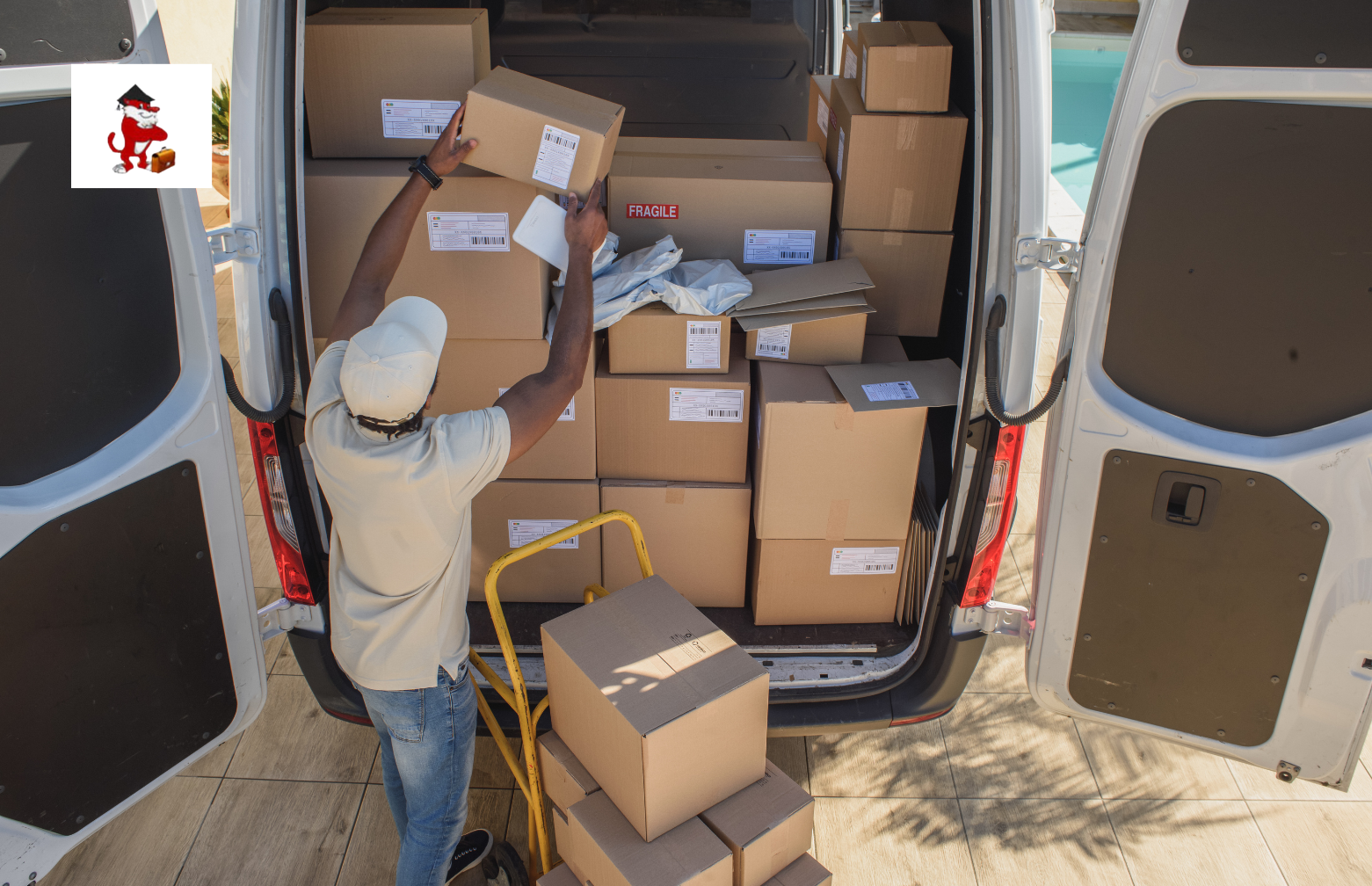
Heavy and sturdy items go first, placed against the front wall of the truck. Large furniture, appliances, and heavy boxes belong at the bottom. Lighter, more delicate boxes go on top and toward the back, where they’re less likely to be crushed.
Keep weight evenly spread from side to side. A lopsided load can shift during sharp turns or sudden braking. Fill gaps with cushions, blankets, or soft bags so nothing has room to slide. Stand mattresses on their edge against the wall, and cover them so they don’t pick up dust or moisture on the road.
In monsoon season, add an extra layer of protection. Wrap furniture in plastic sheeting, keep cardboard off wet floors, and place anything that absorbs moisture, such as books and wooden pieces, away from the truck’s walls. Humidity causes more quiet damage than most people realise.
Carry the Important Things Yourself
Some items should never sit on the truck. Keep your documents, passports, jewellery, medicines, and important files with you in a bag that stays in your car or your hands. Pack a small “first day” box with toiletries, phone chargers, basic kitchen supplies, and a change of clothes, so you can settle in without digging through the truck.
Also note that many movers won’t transport LPG cylinders or other flammable items. Arrange their removal separately and confirm the rules with your mover before moving day.
Unload in the Right Order
Unloading is lighter work, but tired people make careless mistakes, so keep a steady pace. Clear the path at the new home first. Lay floor protectors on carpets and hardwood, and open doorways so nothing has to be squeezed through.
Bring in the furniture first and place it in its final spot. Moving a sofa twice because it went into the wrong room is an avoidable chore. Then carry the boxes in, starting with the ones marked for the rooms you’ll use first, such as the kitchen and bedroom.
Inspect items as they come off the truck. If you spot damage, take a photo right away and note it on the delivery paperwork before the team leaves. Problems discovered the next day are much harder to link back to the move.
Choose a Mover Who Answers Practical Questions
When you compare moving companies, pay attention to how they respond to specific questions. Ask how they protect fragile items, how they handle stairs and lifts, and how they document the condition of your belongings. Ask whether they carry packing materials and whether their staff is trained for lifting. A good company answers these questions clearly and doesn’t rush you past them.
If you’re looking for a professional team in India, you can review the services offered by Leo Packers and Movers. Checking their packing, loading, transport, and unloading details will help you decide what you want to handle yourself and what’s worth outsourcing.
Final Thoughts
Loading and unloading decide how your belongings arrive, and they’re mostly a matter of preparation. Measure the route, pack for how things will be carried, lift with your legs rather than your back, load with balance in mind, and unload in the order that saves you the most effort. Document everything, keep your valuables close, and don’t hesitate to ask for help.
A smooth move won’t be perfect, but it can be calm. That’s usually the difference between a tiring day and a disaster.